Why glass keeps food fresher than plastic
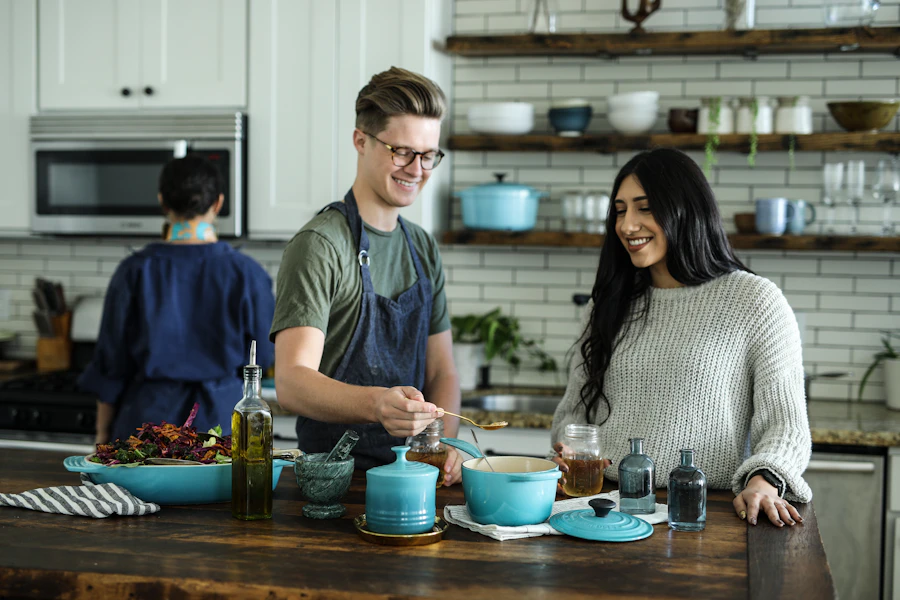
Glass is made from sand, soda ash and limestone, melted and formed without additives that can migrate into food. That inertness is the reason glass jars and bottles do not need an inner coating, and why acidic products like jam or pickles keep their taste and color for longer.
The difference is measurable, not theoretical. Polymer packaging can absorb aromas and release trace compounds into high-acid or high-fat foods; glass does neither. For a food brand choosing between jars and bottles, that barrier is the first shelf-life decision, and it compounds over months of storage. That is why food and beverage brands routinely specify glass through suppliers like GlassPacker, whose stock jars and bottles are designed for high-acid and long-shelf-life products by default.
What makes glass different from plastic
Three material properties explain most of the difference: chemical inertness, impermeability and recyclability. Together they decide how long a product keeps, how it tastes when opened and what the packaging costs the environment across its life.
Chemically inert
Glass does not react with food or drink. There is no liner, no coating and no additive that can leach into the contents — which is why glass is the standard packaging for anything acidic, alcoholic or oil-based. A glass honey jar can sit for years without the honey taking on a taste from the container.
Impermeable
Oxygen, water vapor and aromas pass through polymer walls over time; through glass they barely move. For products with long shelf lives — honey, olive oil, wine — that barrier directly protects the buyer's experience. This is why premium oil brands ship in green or amber glass bottles rather than PET: the bottle is part of the shelf-life calculation.
Fully recyclable
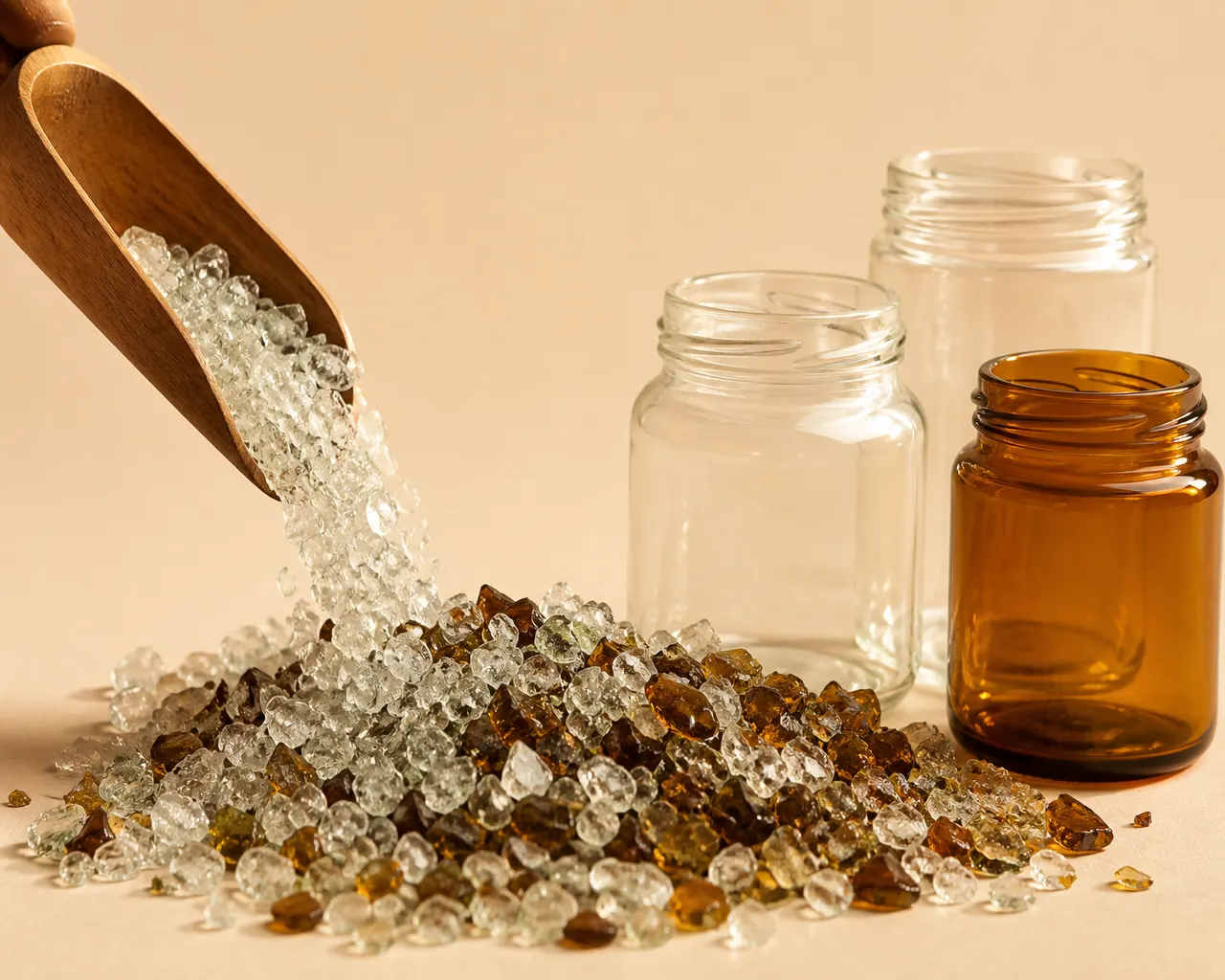
Glass can be recycled indefinitely without losing quality, and cullet (recycled glass) lowers the melting temperature, cutting energy use in production. For a food brand, choosing glass is a measurable sustainability decision, not a label claim — the same jar can come back as a new jar.
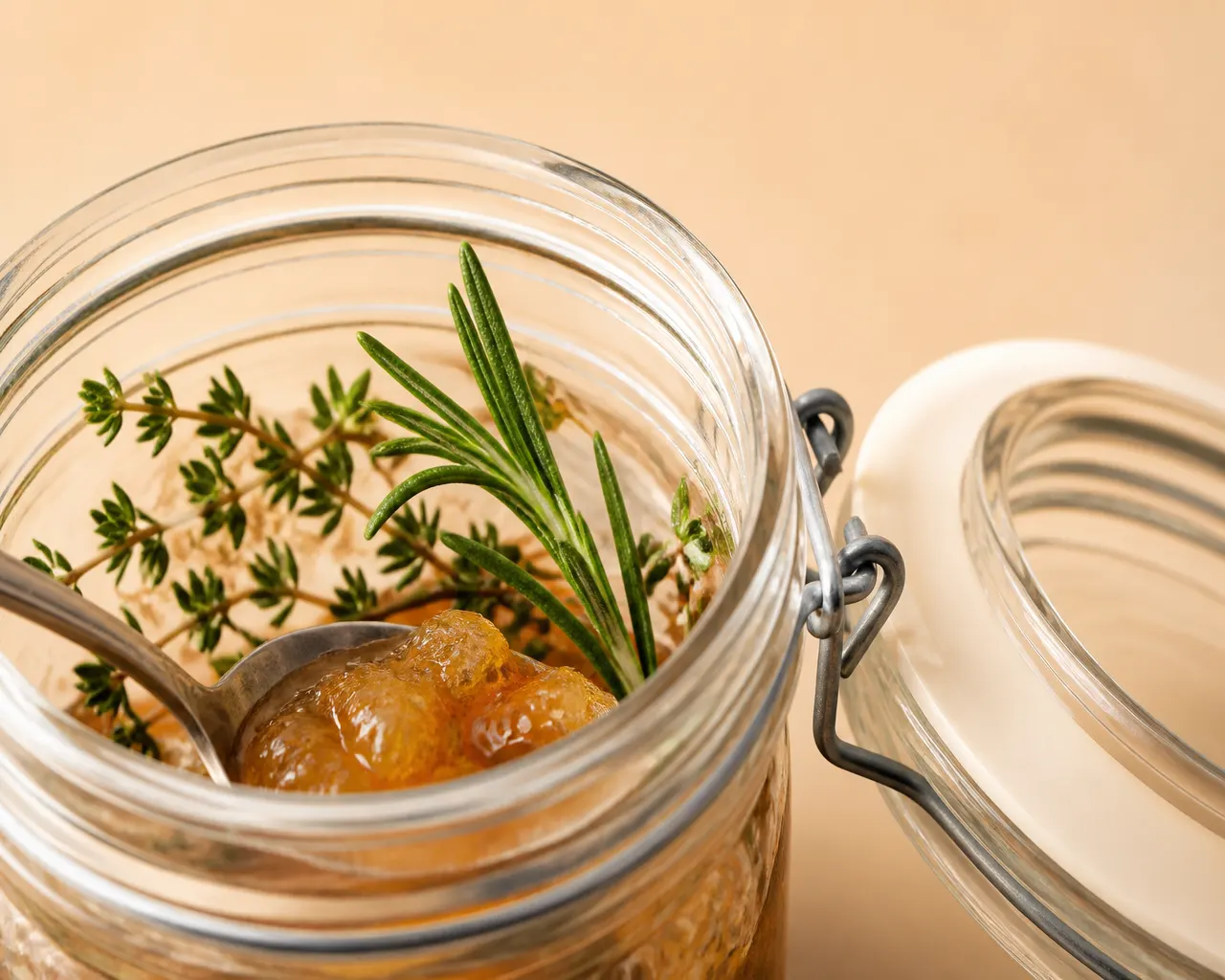
The trade-offs: weight and fragility
The practical trade-off is weight and fragility. Glass is heavier to ship and can break in handling, which is why good glass packaging design pairs the right wall thickness with carton inserts, and why lead times and packaging plans should be agreed before production starts.
At GlassPacker, stock jars and bottles start at a MOQ of 1,000 pcs, with export cartons sized to the shape — a 500 g honey jar ships 24 pcs per carton, with dividers that keep the finish intact through freight. Fragility is a design problem, and it has standard solutions.
Quick answers
Is glass really better for long-term storage?
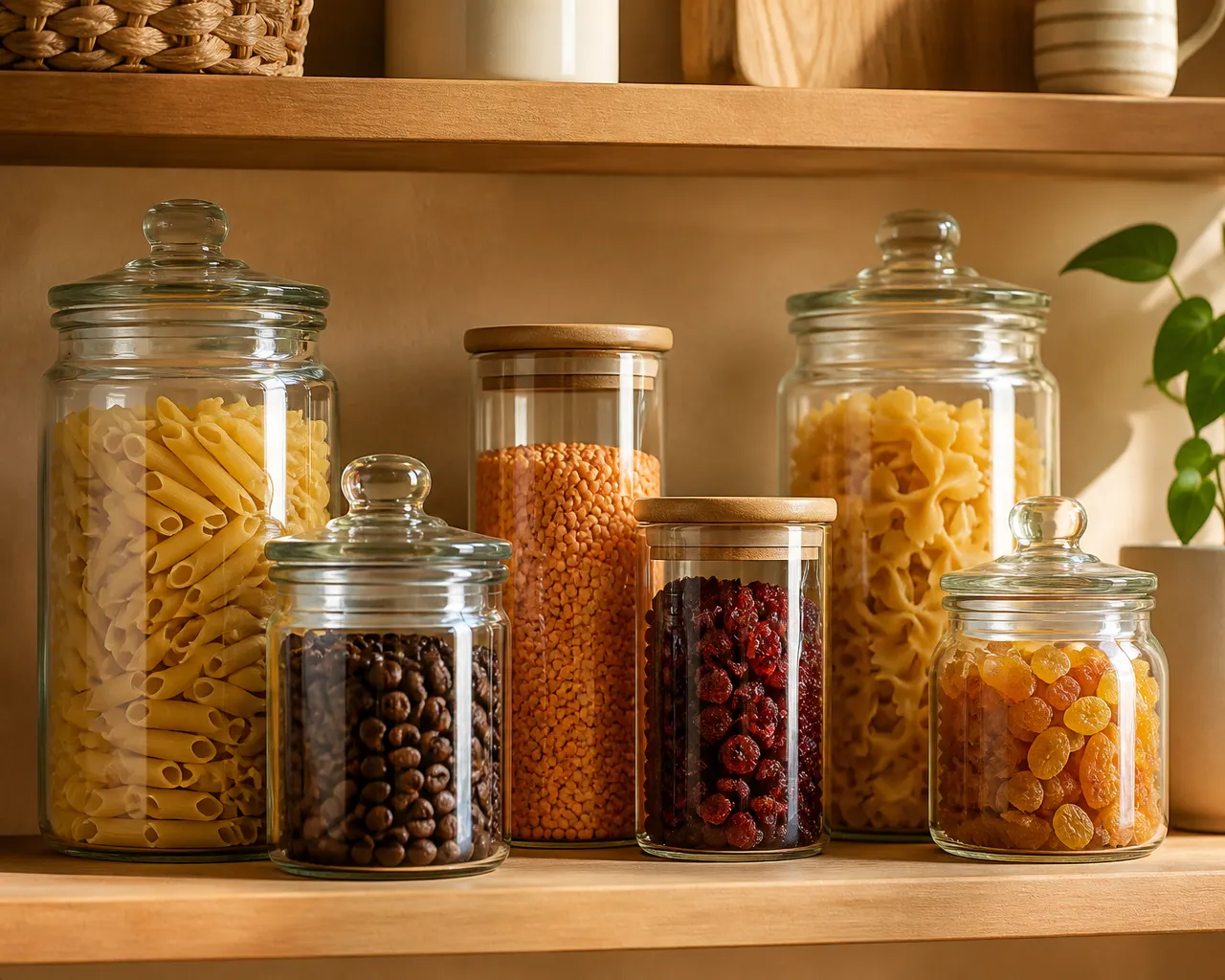
Yes, for anything sensitive to oxygen, moisture or light. Glass is impermeable and inert, so the limiting factor becomes the closure — which is why closures are specified alongside the jar, not after it.
Can glass jars be recycled indefinitely?
Yes. Glass does not degrade through recycling, and cullet reduces the energy needed to melt new glass. Collecting and returning jars matters more than the container itself.
Does glass affect the taste of food?
No. Glass has no flavor compounds and absorbs none, so it neither adds nor steals taste. That neutrality is why premium food brands use glass for anything with a delicate flavor profile.
Choosing glass is a shelf-life decision first and a design decision second. GlassPacker quotes MOQ, samples and lead times from a single inquiry — send your product type and filling method to get a complete quote in one round.
Leave a comment
No comments yet — be the first to share your thoughts.